
Modern homes and offices require flexible solutions that adapt to changing needs, and movable walls offer exactly that versatility. These innovative partition systems have transformed how people think about interior spaces, moving beyond traditional fixed walls to create dynamic environments that can be reconfigured as requirements evolve.
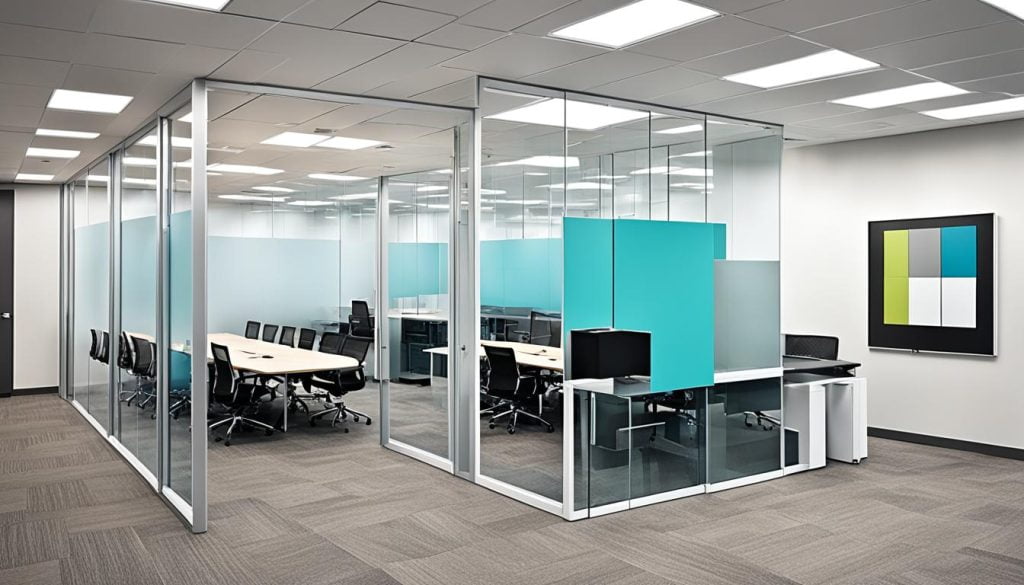
Movable walls provide five key benefits: enhanced space efficiency, improved privacy and sound control, significant cost savings, design flexibility, and future adaptability. Unlike permanent construction, these systems allow property owners to modify layouts quickly without the expense and disruption of traditional building work. Movable partition walls are a cost-effective solution that eliminates the need for extensive renovation projects.
From maximising storage potential to creating private work areas, movable walls serve multiple functions whilst maintaining the aesthetic appeal of any space. Whether planning a home office renovation or designing a commercial workspace, understanding these benefits will help determine if movable walls are the right solution for specific spatial challenges.
1. Understanding Movable Walls and Partition Systems
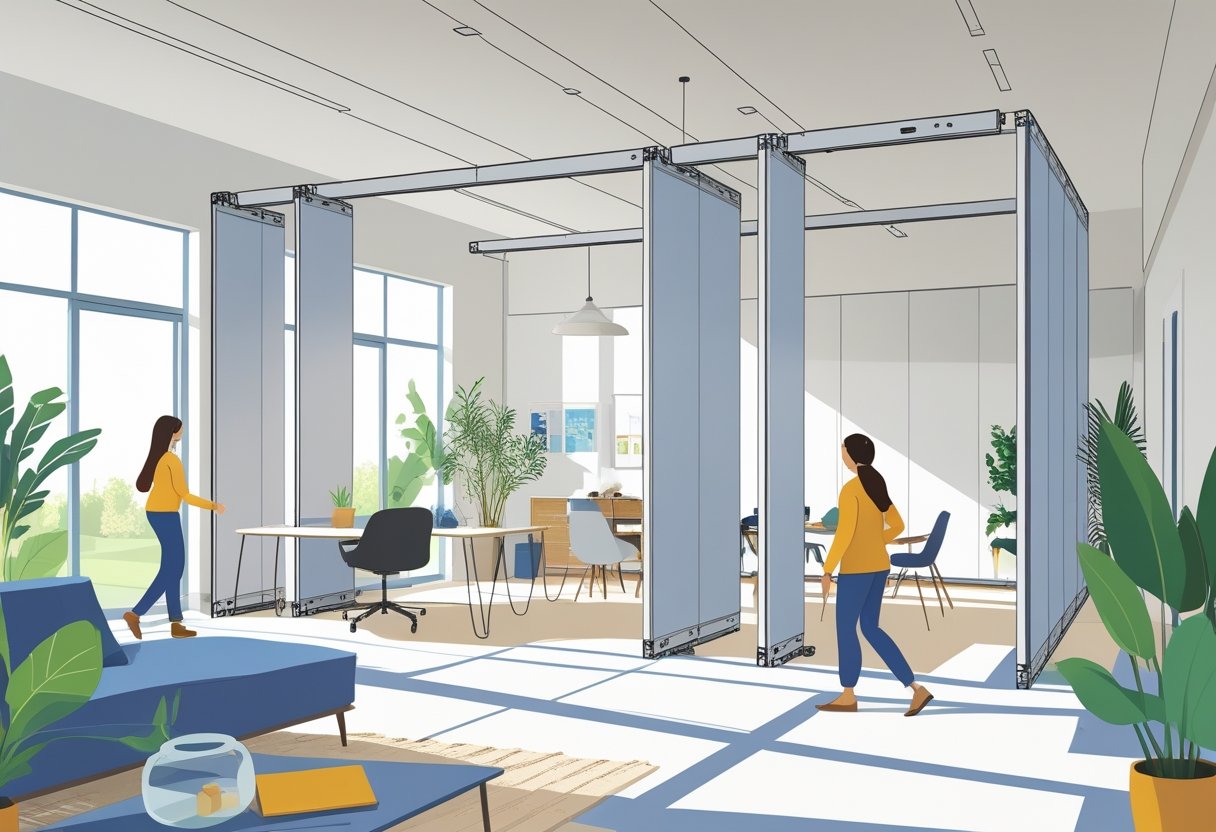
Movable wall systems provide flexible solutions for dividing spaces without permanent construction. These adaptable partition systems range from simple sliding panels to sophisticated acoustic barriers that can transform any environment.
What Are Movable Walls?
Movable walls are temporary or semi-permanent barriers that divide spaces without requiring traditional construction methods. Unlike fixed walls, these systems can be repositioned, folded away, or completely removed as needed.
These flexible partitions serve multiple purposes in both residential and commercial settings. They create privacy, reduce noise, and maximise space efficiency whilst maintaining the option to open areas when required.
Modern movable partition walls utilise advanced technology to improve aesthetics, functionality, and acoustic performance. Many systems incorporate sound-dampening materials and precision engineering for smooth operation.
The systems operate on tracks, hinges, or sliding mechanisms that allow easy movement and positioning. Most designs require minimal floor space when retracted, making them ideal for areas where flexibility is essential.
Types of Movable Partition Walls
Several distinct types of movable partition walls cater to different space requirements and aesthetic preferences:
Sliding Glass Partitions
- Transparent panels that maintain visual connection
- Ideal for offices and modern homes
- Easy to operate and clean
Accordion-Style Partitions
- Fold into compact sections when not in use
- Available in various materials and finishes
- Suitable for larger openings
Top-Hung Systems
- Suspend from ceiling tracks
- Provide smooth, quiet operation
- Require no floor track installation
Floor-Supported Options
- Roll on bottom tracks
- Handle heavier panel weights
- Offer superior stability
Acoustic movable walls incorporate sound-dampening materials between panels. These systems achieve various sound ratings depending on construction and intended use.
How Movable Wall Systems Work
Most movable wall systems operate using track-based mechanisms that guide panels along predetermined paths. The tracks can be ceiling-mounted, floor-mounted, or both, depending on the system design.
Basic Operation Components:
- Track systems guide panel movement
- Rollers or bearings enable smooth sliding
- Locking mechanisms secure panels in position
- Sealing systems improve acoustic performance
Ceiling-hung systems distribute weight across overhead tracks, eliminating floor obstacles. Floor-supported systems use bottom rollers to carry panel weight whilst maintaining stability during operation.
Many modern systems feature automated controls for effortless operation. These include remote controls, wall switches, or smartphone applications that manage panel positioning.
Professional installation ensures proper alignment and smooth functionality. The installation process typically requires precise measurements and structural considerations for optimal performance.
Maintenance involves regular cleaning of tracks and lubrication of moving components. Quality systems require minimal upkeep whilst providing years of reliable service.
2. Maximising Space Efficiency with Movable Walls
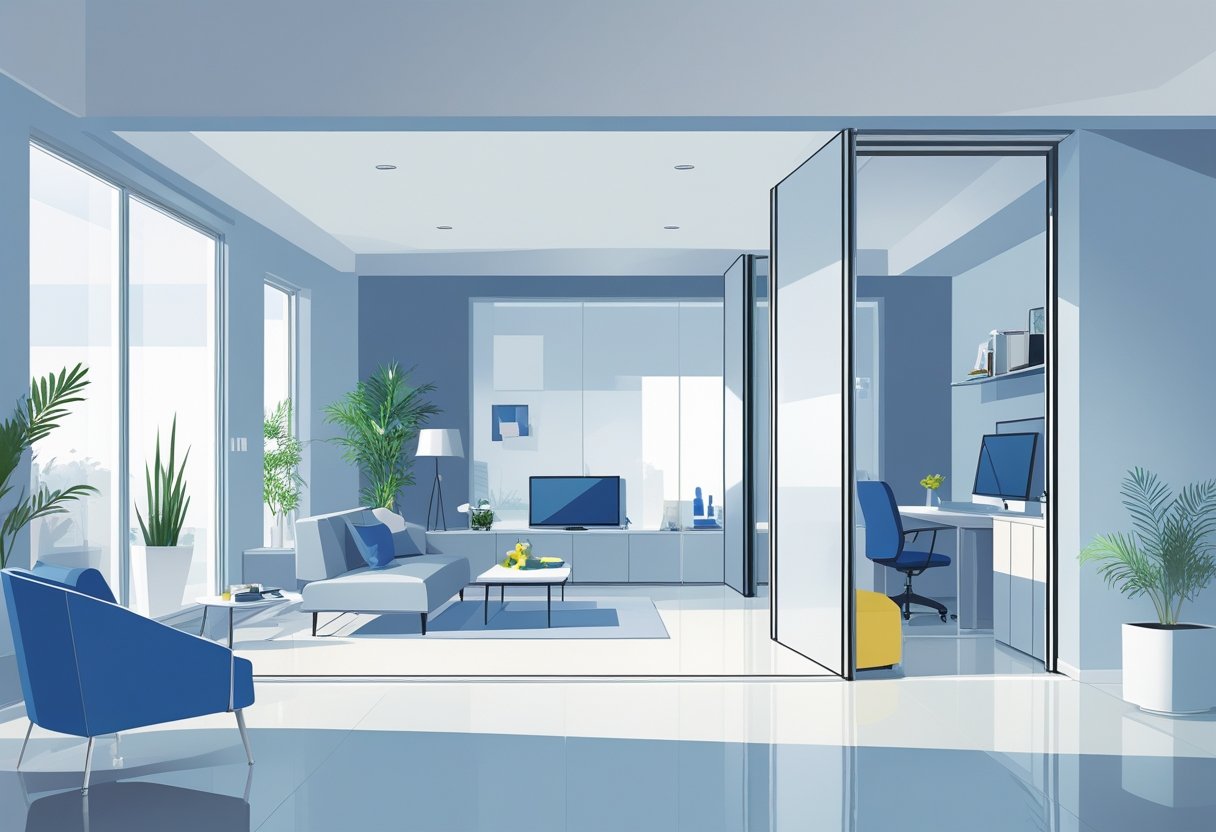
Movable walls transform how spaces function by allowing instant room reconfigurations and creating multiple uses from single areas. These systems eliminate wasted square footage whilst providing the flexibility to adapt rooms based on changing needs.
Flexible Space Planning
Movable partition wall systems enable users to reconfigure interior spaces at a moment’s notice. Traditional fixed walls lock rooms into permanent layouts that often become inefficient over time.
A movable wall system allows one large room to become two smaller spaces instantly. Conference centres can divide ballrooms for multiple events. Offices can create private meeting rooms from open areas.
Key planning advantages include:
- Instant reconfiguration – Spaces adapt in minutes rather than weeks
- No construction delays – Changes happen without building permits or contractors
- Reversible modifications – Walls move back to original positions easily
- Cost-effective adjustments – No demolition or rebuilding costs
Office space becomes more efficient when managers can adjust layouts based on team sizes. Growing departments expand their areas whilst shrinking teams release unused space.
The flexibility proves especially valuable in rental properties. Tenants customise spaces without permanent alterations that might violate lease agreements.
Multi-Functional Room Applications
Partition walls create rooms that serve multiple purposes throughout the day. A single space transforms to meet different functions without requiring separate dedicated rooms.
Training rooms become dining areas after presentations end. Large offices divide into smaller workspaces during busy periods then open up for company events.
Common multi-functional applications:
| Space Type | Primary Use | Secondary Use |
|---|---|---|
| Conference room | Meetings | Training sessions |
| Open office | Collaborative work | Private offices |
| Community hall | Events | Multiple smaller gatherings |
| Classroom | Teaching | Dining/social space |
Movable walls with sound insulation maintain privacy and reduce noise between different activities. One side of a divided room can host phone calls whilst the other accommodates quiet work.
Hotels use movable wall systems to combine small meeting rooms into larger conference spaces. Restaurants expand dining areas during peak hours then create intimate sections for quieter periods.
The multi-functional approach maximises return on investment by eliminating the need for dedicated single-purpose rooms that sit empty most of the time.
3. Enhancing Privacy and Sound Insulation
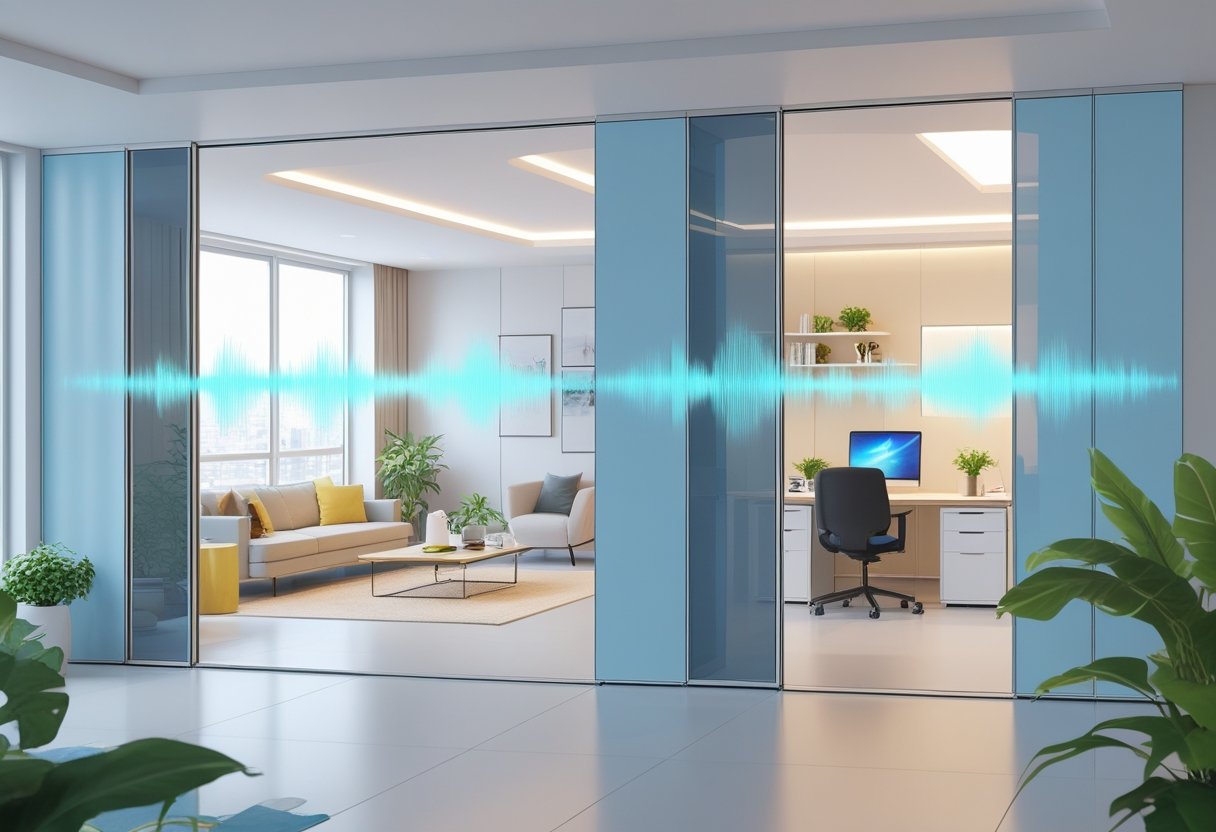
Movable walls provide excellent acoustic performance with ratings up to 59dB and create distinct private areas within shared spaces. These flexible partitions effectively block sound transmission whilst allowing users to adapt room layouts as needed.
Improved Acoustic Performance
Movable walls offer exceptional sound insulation capabilities that rival traditional fixed walls. High-quality acoustic movable walls can achieve sound ratings up to 59dB, making them highly effective at blocking noise transmission between spaces.
The construction typically includes sound-absorbing materials and enhanced sealing systems. These features prevent sound waves from travelling through the partitions whilst reducing echo and reverberation within rooms.
Advanced acoustic properties make these walls particularly valuable in environments where speech clarity matters most. Conference rooms, meeting spaces, and consultation areas benefit significantly from improved acoustic control.
Different acoustic specifications are available depending on requirements. Thicker panels with enhanced seals provide maximum soundproofing for critical areas. Lighter options work well where moderate sound control suffices.
The acoustic absorption qualities help create more comfortable environments. Users experience less background noise and clearer communication, which improves productivity and reduces stress levels.
Creating Private Zones in Open Layouts
Partition walls excel at transforming large open areas into functional private zones without permanent construction. Office spaces benefit enormously from the ability to create quiet meeting rooms or focused work areas instantly.
A movable partition wall system allows users to establish confidential spaces when needed. Legal consultations, medical appointments, and sensitive business discussions require complete privacy that these walls provide effectively.
The flexibility proves invaluable in multi-purpose environments. Educational facilities can separate large classrooms into smaller study groups. Healthcare settings can create private consultation areas from shared spaces.
Key privacy benefits include:
- Instant visual barriers
- Effective sound blocking
- Flexible space reconfiguration
- Professional appearance
- Easy operation
Creating private meeting rooms becomes straightforward with properly installed movable walls. Teams can conduct confidential discussions without booking separate facilities or worrying about eavesdropping.
The visual privacy combined with acoustic separation ensures complete discretion for sensitive conversations.
4. Cost Savings and Installation Benefits
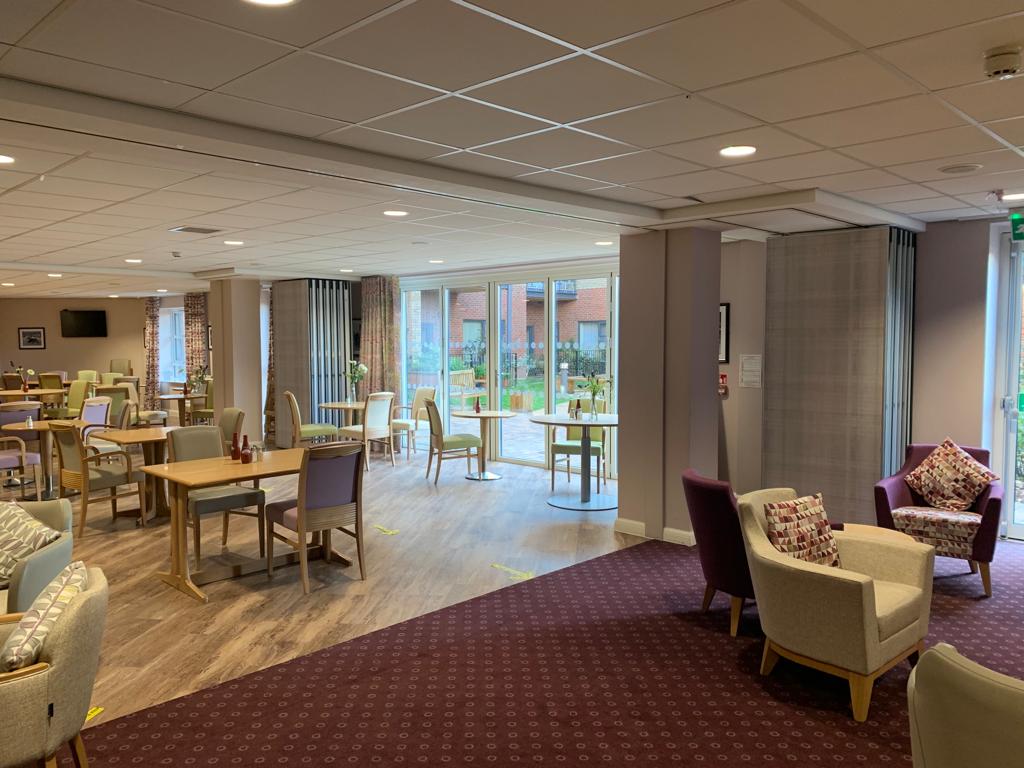
Movable wall systems deliver significant financial advantages through reduced disruption during installation and lower ongoing expenses compared to traditional construction methods. These systems eliminate many costly requirements associated with permanent renovations.
Reducing Construction Disruption
Quick installation processes make movable walls far less disruptive than traditional construction. Most systems can be installed within days rather than weeks or months.
Businesses avoid costly downtime during installation. Employees can continue working in adjacent areas whilst the movable wall system is being fitted.
Key disruption reductions include:
- No dust or debris from demolished walls
- Minimal noise during installation
- Reduced need for temporary workspace arrangements
- Faster project completion times
Pre-manufactured panels arrive ready for immediate installation. This eliminates the lengthy construction phases required for traditional walls.
Property owners can schedule installations during off-hours or weekends. This flexibility prevents business interruptions that typically cost thousands in lost productivity.
Lower Long-Term Costs
Movable walls eliminate expensive renovation costs when space requirements change. Avoiding extensive construction work saves substantial money over time.
Energy efficiency improvements reduce monthly utility bills. These systems optimise natural light distribution and improve heating and cooling efficiency.
Long-term savings include:
- No demolition costs for layout changes
- Reduced heating and cooling expenses
- Minimal maintenance requirements
- Lower material waste costs
Partition walls require significantly less maintenance than traditional construction. High-quality systems maintain their functionality for decades without major repairs.
Companies can reconfigure spaces multiple times without additional construction expenses. This adaptability proves particularly valuable for growing businesses that frequently reorganise their layouts.
5. Design Flexibility and Aesthetic Appeal
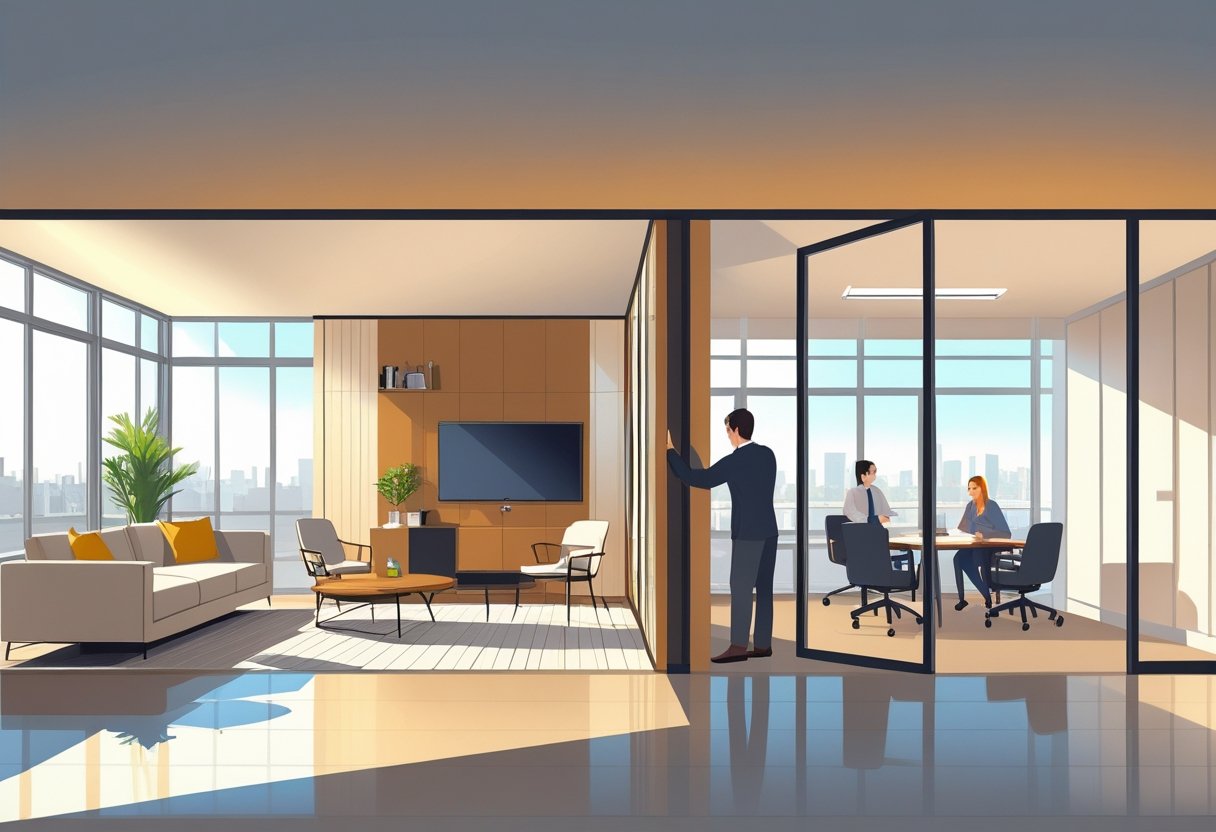
Movable partition walls offer extensive customisation options that complement any interior design scheme. These adaptable solutions can enhance visual appeal whilst maintaining functional flexibility in both residential and commercial spaces.
Customisable Materials and Finishes
Modern movable partition walls come in numerous material options to suit different design preferences. Wood finishes range from oak and walnut to painted surfaces in custom colours.
Glass panels provide transparency whilst maintaining separation. Frosted or tinted glass options offer privacy without blocking natural light completely.
Fabric-covered panels allow for texture variation and sound absorption. Popular fabric choices include:
- Acoustic fabrics – Designed for sound control
- Designer textiles – Match existing upholstery
- Fire-retardant materials – Meet safety requirements
Metal finishes include aluminium, steel, and powder-coated options. These materials work well in industrial or contemporary settings.
Some manufacturers offer customisable panel faces that can be tailored to match specific interior styles. Digital printing technology allows for custom graphics or branding on partition surfaces.
Frame colours can be matched to existing architectural elements. Standard options include white, black, silver, and bronze finishes.
Blending Movable Partitions with Existing Décor
Successful integration requires careful consideration of existing colour schemes and architectural features. Partition walls should complement rather than compete with permanent design elements.
Neutral colours work best for versatile spaces that change frequently. White, grey, and beige partitions blend seamlessly with most interior palettes.
Matching hardware finishes to existing door handles and light fixtures creates visual continuity. Chrome, brass, and matte black are popular choices for modern interiors.
The design freedom offered by modular walls allows businesses to create cohesive visual themes throughout their spaces.
Partition walls can either blend into the background or serve as focal points. Textured surfaces or bold colours make architectural statements when desired.
Professional installation ensures clean lines and proper alignment with existing walls. This attention to detail prevents partitions from appearing as temporary additions.
Supporting Future Expansion and Adaptability
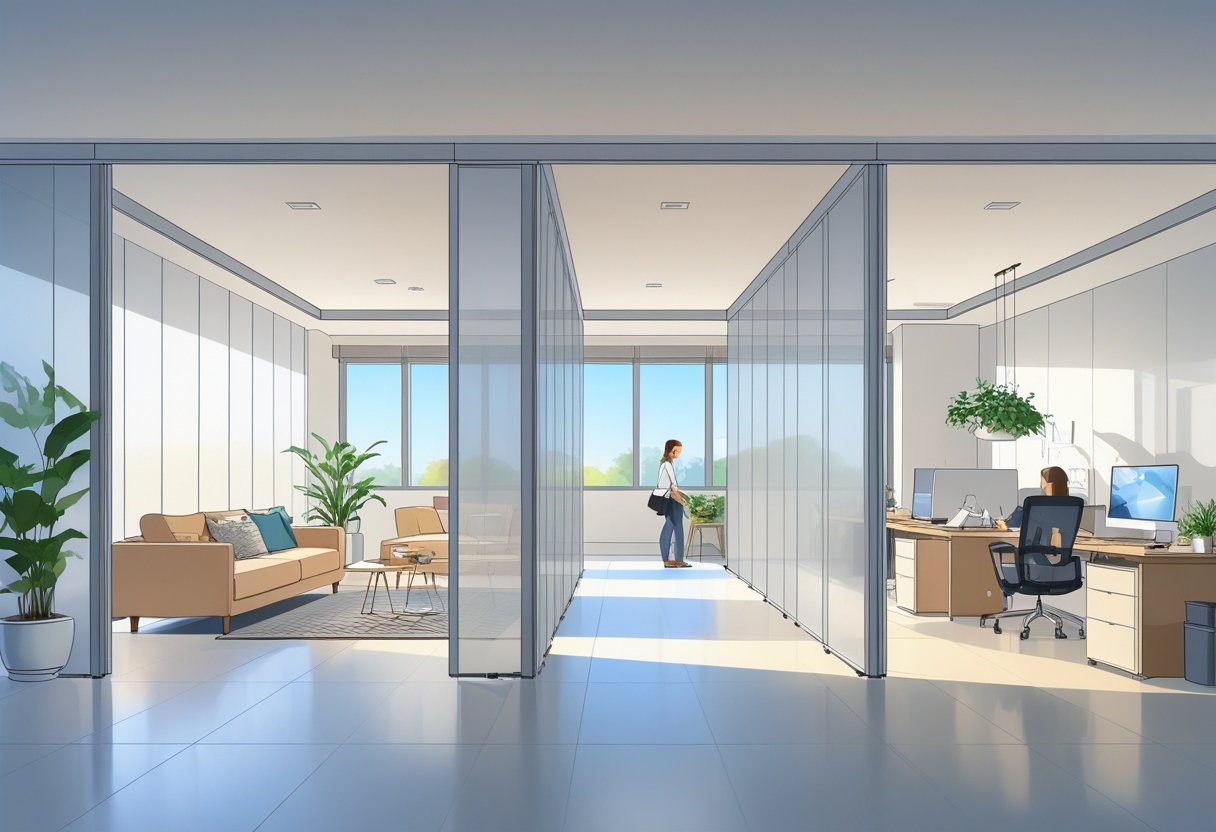
Movable walls provide the flexibility to reconfigure spaces as needs change over time, whether accommodating growth, new functions, or evolving work patterns. This adaptability eliminates costly renovations whilst maximising the potential of existing square footage.
Adapting to Changing Needs
A movable wall system allows spaces to evolve without major construction work. Offices can quickly transform from open-plan layouts to private meeting rooms when collaboration needs shift.
Families benefit when children grow older and require separate study areas. The same space that once served as a playroom can be divided to create individual bedrooms or workspaces.
Common adaptations include:
- Converting large conference rooms into smaller training spaces
- Creating temporary home offices during remote work periods
- Separating retail areas for different product lines
- Dividing classrooms for smaller group activities
Flexible interiors incorporate adjustable elements that change to suit different purposes. This approach proves especially valuable in modern workplaces where functions frequently shift.
The installation process typically takes hours rather than weeks. This speed means businesses avoid lengthy disruptions to daily operations whilst homes remain liveable during reconfigurations.
Future-Proofing Home and Office Spaces
Installing movable walls represents a long-term investment in spatial flexibility. Properties equipped with these systems maintain higher value because they can adapt to future market demands.
Office space requirements continue evolving as hybrid working becomes standard. Multi-functional spaces adapt to life’s changes without requiring significant renovations, saving money over time.
Future-proofing advantages:
- Reduced renovation costs – No need for major construction when needs change
- Increased property value – Flexible spaces appeal to more potential buyers or tenants
- Technology integration – Modern systems accommodate changing technological requirements
- Regulatory compliance – Easier to meet evolving building codes and accessibility standards
Design flexibility provides cost-effective adaptability for property owners by anticipating future changes. Planning for upgrades today drastically reduces future construction costs and timelines.
Commercial properties particularly benefit from this flexibility. Tenant requirements vary significantly, and movable walls allow landlords to customise spaces quickly for new occupants without expensive fit-outs.
Frequently Asked Questions
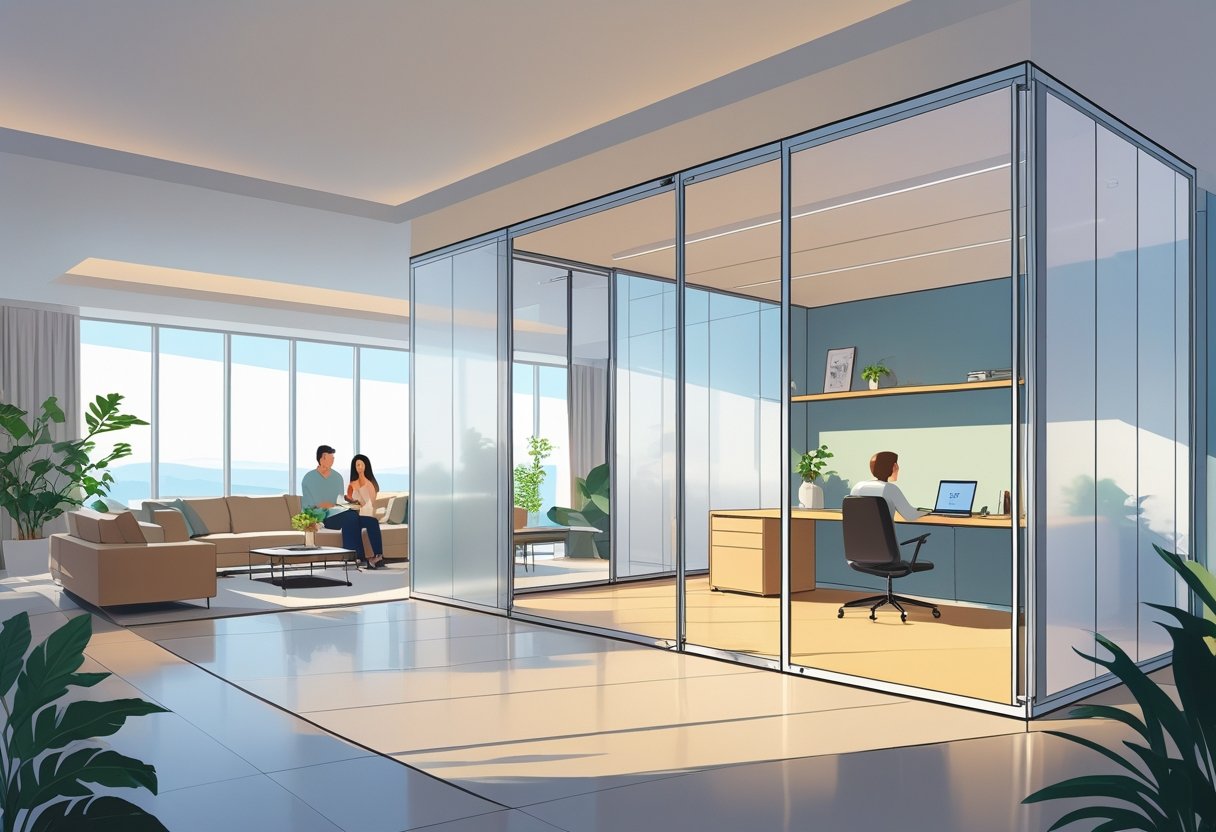
Property owners often have specific concerns about movable walls before installation. These questions typically focus on space efficiency, acoustic performance, energy impact, and long-term maintenance requirements.
What are the advantages of utilising movable walls for space optimisation in residential properties?
Movable walls allow homeowners to transform large rooms into smaller sections or combine spaces as needed. They provide cost-effective flexibility without permanent construction work.
These systems work well for creating temporary home offices or study areas. Parents can separate children’s play areas from living spaces during the day and open them up for family time in the evenings.
Storage integration is another key benefit. Homeowners can install bookshelves or cabinets within the movable walls to maximise storage without losing functionality.
How do movable walls enhance the versatility of office layouts?
Office spaces gain significant flexibility through movable partition systems. Companies can quickly create meeting rooms, training areas, or private workspaces based on daily needs.
Businesses anticipating growth benefit from walls that adapt to changing team sizes. This eliminates the need for costly renovations when staff numbers increase or decrease.
Conference facilities use these systems to divide large spaces into multiple meeting rooms. They can accommodate different event sizes without maintaining separate permanent rooms.
Can the installation of movable partitions contribute to energy savings in a building?
Movable walls help reduce heating and cooling costs by allowing users to close off unused areas. This concentrates climate control efforts in occupied spaces only.
The systems create better temperature zones within larger areas. Offices can heat or cool specific sections during off-peak hours rather than maintaining temperatures throughout entire floors.
Environmental benefits extend beyond energy savings. The adaptability reduces the need for extensive construction work, lowering overall environmental impact.
What are the soundproofing capabilities of movable walls compared to traditional fixed walls?
Modern movable walls offer varying sound ratings depending on their construction and materials. Higher-end systems can achieve acoustic performance similar to permanent walls.
Conference rooms and meeting spaces benefit from acoustic folding partitions designed specifically for sound control. These systems minimise distractions and create proper privacy for sensitive discussions.
The acoustic performance depends on proper installation and sealing. Professional installation ensures optimal sound reduction between divided spaces.
How does the integration of movable walls impact the overall aesthetics of an interior space?
Custom surface designs can be applied to movable walls to match existing décor. Architects can create intricate patterns that are laser cut into panel faces for unique visual effects.
Material options include wood veneers, fabric finishes, and glass elements. These choices allow the walls to complement rather than clash with surrounding interior design.
The systems can incorporate company branding or decorative elements. This makes them functional design features rather than purely utilitarian barriers.
Are there any significant maintenance considerations associated with movable wall systems?
Regular cleaning and periodic mechanical adjustments keep movable walls functioning properly. The moving components require occasional lubrication and alignment checks.
Professional servicing ensures optimal performance over time. Local manufacturers can provide faster support and readily available replacement parts when needed.
Quick installation typically means straightforward maintenance procedures. Most systems are designed for easy access to mechanical components during routine servicing.